Your PR agency for the chemical industry in Germany
additiv makes your chemistry visible where German buyers look for it: in the trade press and in AI answers.
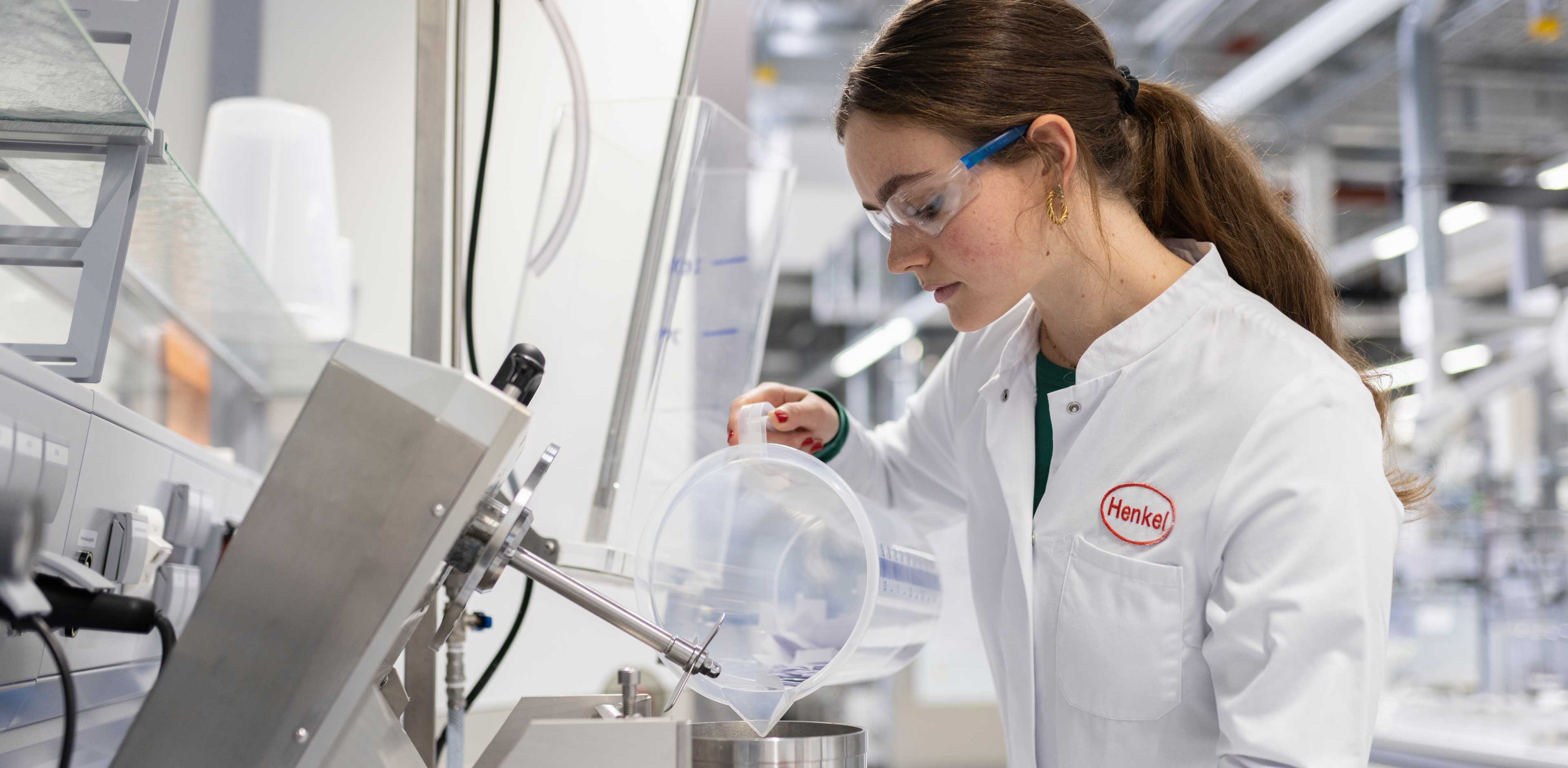
Customers abroad already process your formulations and materials every day. Before a German plant approves a new adhesive or coating, its application engineers want to see it covered in German trade media. As your PR agency for the chemical industry in Germany we at additiv take your products to the places these specifiers check: chemical trade media, LinkedIn, Google search and AI assistants. Our content is technically sound and close to sales. The briefing runs in English. The texts are written in German.
Our clients make specialty chemicals, adhesives, coatings and materials. Others supply lab and analytical solutions or distribute chemicals. We serve them in the German-speaking markets and internationally.
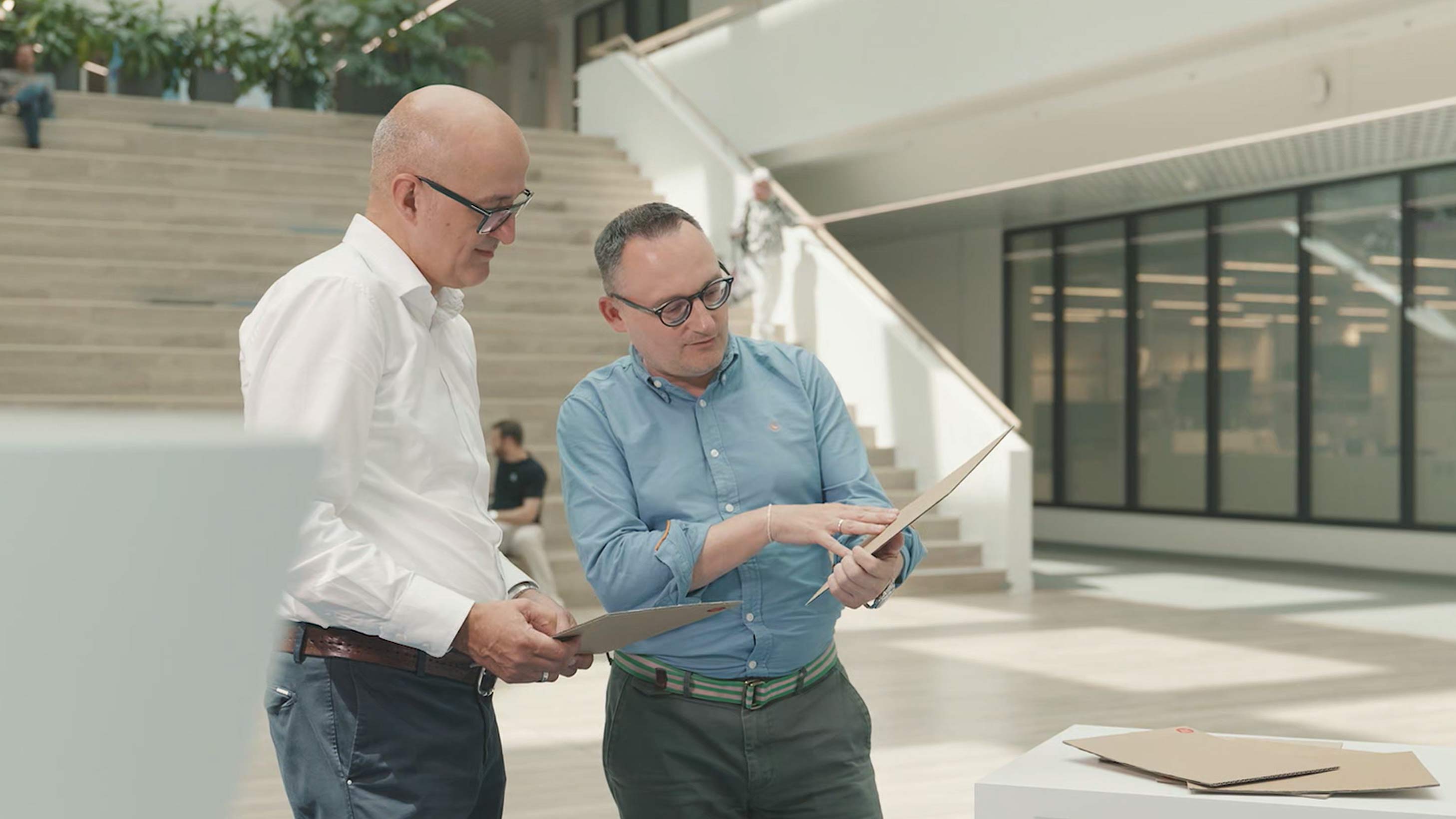
additiv at a glance
additiv is an owner-managed B2B communications agency from Montabaur in Germany. Our focus includes specialty chemicals, adhesives, materials and industrial components. Our chemical clients’ topics run in German titles such as CHEManager (a trade newspaper for the chemical and pharmaceutical industry) and PROCESS (a trade magazine for process engineering). We prepare the same content so that ChatGPT, Claude, Google AI Overviews and Microsoft Copilot can use it as a source. One topic campaign for an adhesives mandate generated more than 140 publications. In that mandate, more than 60 % of all placements appear in international markets. Trade fair campaigns for ACHEMA in Frankfurt (process industry) and analytica in Munich (laboratory technology and analysis) are part of the work. For a campaign with the robotics company Sereact, additiv received Bronze at the Deutscher PR-Preis 2026 (German PR Award).
Specialised in chemical communication
Since 1998 our daily business has been B2B products with a lot to explain. Chemicals and materials have been part of it for many years. We know formulations, applications, markets and stakeholders. Your experts do not have to explain the basics to us.

PR and AI visibility from one source
One strategy steers your chemical trade press work and your content marketing. Social media, SEO and sales enabling content run on the same plan. Your content performs in chemical trade media and builds reach on LinkedIn. Search engines and AI systems can process it just as well.
A sparring partner, not a text shop
We question claims and insist on wording that is technically correct. We bring structure to complex product portfolios. Onboarding takes 100 days. In that time your experts and our editors work through your portfolio and its approvals together.
Some of our chemical and materials clients

How we build your communication in the German chemical market
Visibility and trust: trade press and media relations
Your topics go to the trade media that chemists and process engineers in Germany read. They range from journals for specialty chemicals and coatings to materials titles and magazines for industrial components. Editors receive application stories from customer plants. Your chemists add the technical background. These articles are read by decision-makers. They can also become sources that AI models trust.
After 6 to 12 months your company appears regularly in the titles that German formulators and buyers consult before they specify.
Purchasing and R&D teams start to recognise your name.
Faster purchase decisions: sales enabling content
Before a customer switches formulation, your sales and application engineers face questions like these:
- How does the formulation perform compared with our current system?
- Which approvals and standards does the product meet?
- What does it really cost in use (total cost of ownership)?
- What does the switch mean for safety and compliance?
- Under which conditions does the product reach its limits?
We answer each of them in a text your team can send to the customer. Typical examples are cost and ROI articles on a change of formulation and comparisons between solvent-free and solvent-based systems. A buyer who has read the comparison arrives at the first meeting with sharper questions. Application engineers use the same articles in technical talks with customers.
Projects for a change of formulation reach a decision sooner. More on our page for sales enabling content.
Social media and LinkedIn for the chemical industry
In chemicals and materials, every public statement about a product must hold up to regulation. Even so, application engineers and buyers use LinkedIn to learn about new formulations and processes. We show the knowledge of your experts on their own profiles and on your company page. Each post runs through an approval process that we set up with you at the start. Topics come from your trade press work and from the trade fair calendar around ACHEMA. Paid campaigns put your posts in front of formulators and buyers in your target sectors. More on our page for B2B social media.
AI visibility for your brand
Which supplier offers a solvent-free alternative? Questions like this now go to ChatGPT, Claude or Google AI. An answer without your name sends the enquiry to a competitor. Our GEO work aims to get your products named and cited in these answers.
The starting point is a check of what AI systems say about your products today. After that we rework your product and application content into passages an AI can quote. Articles in German chemical media strengthen your position in the sources these models draw on. More on our page for GEO and AI visibility.
Results from our work
Specialty chemicals and adhesives
When we started, the mandate had no international trade press relations. More than 140 publications in trade media for adhesives, coatings and industrial applications came out of a single topic campaign. International titles carry more than 60 % of the placements. Alongside it, we run thought leadership on sustainability and process safety.
Metallurgy and materials
A hidden champion became a visible reference in its segment. It now appears steadily in trade magazines for metallurgy and materials engineering. Application stories and sales content for international markets back this up.
Chemical distribution and components
Positioned as a solutions and advisory partner for its customers. Our PR and content strategies put application know-how and service at the centre. Sales and application engineering use them actively.
How we work together
A first call sets out what you want to achieve in Germany and with which budget. Next comes a workshop that includes our agency pitch. Our situation analysis and proposal build on it. Then the retainer starts. The first 100 days cover team set-up and topic planning. The first pitches to German chemical editors also go out in this phase.
This could be your team
You work with a fixed team. A consultant plans the communication with you. An editor writes in German for the chemical press. For SEO or video, colleagues from the next desk join the project. Expect a team that is curious about chemistry and at home with complex products.
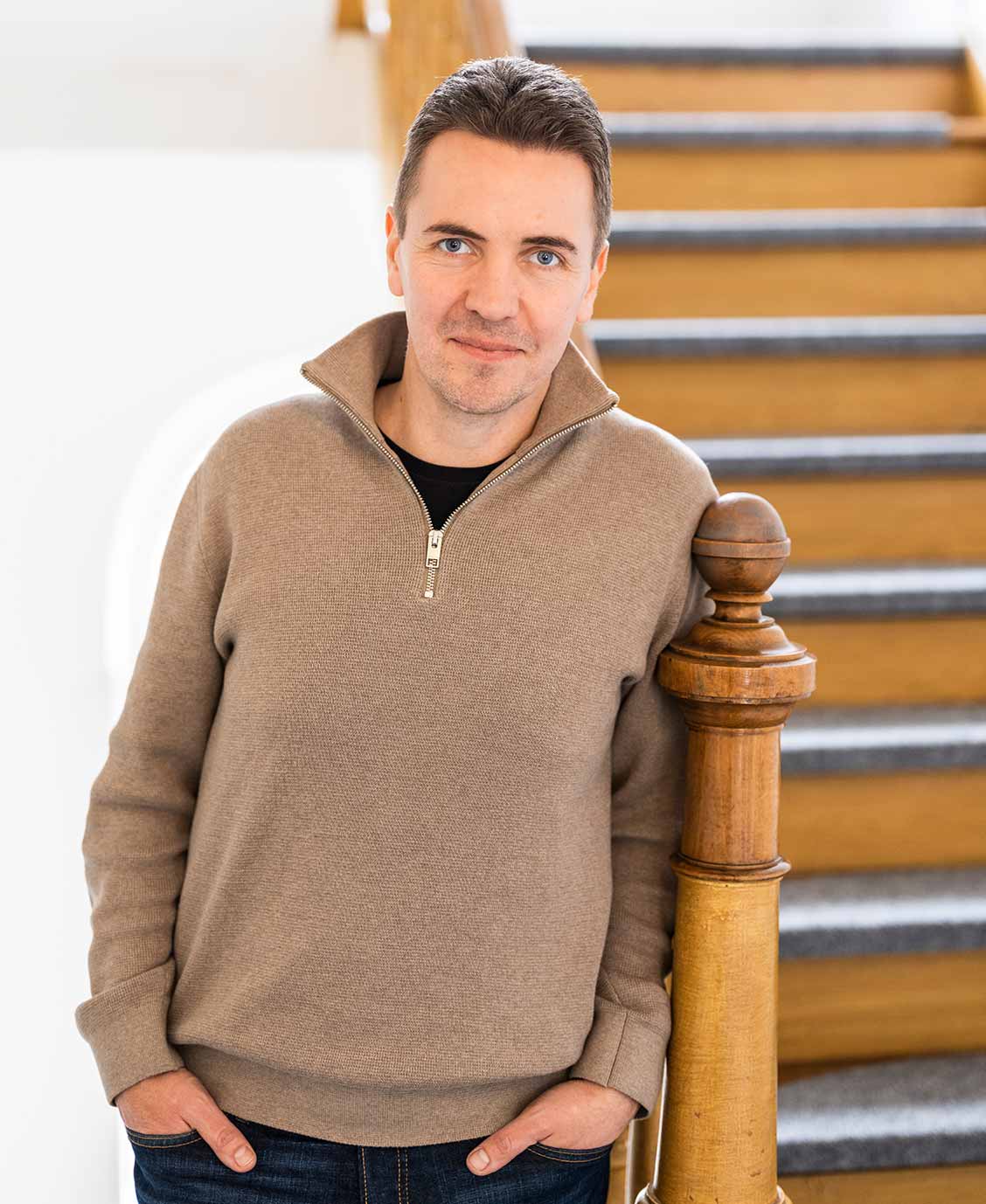
Marius Schenkelberg
Director of Operations / Prokurist
Niklas Kroth
Account Manager
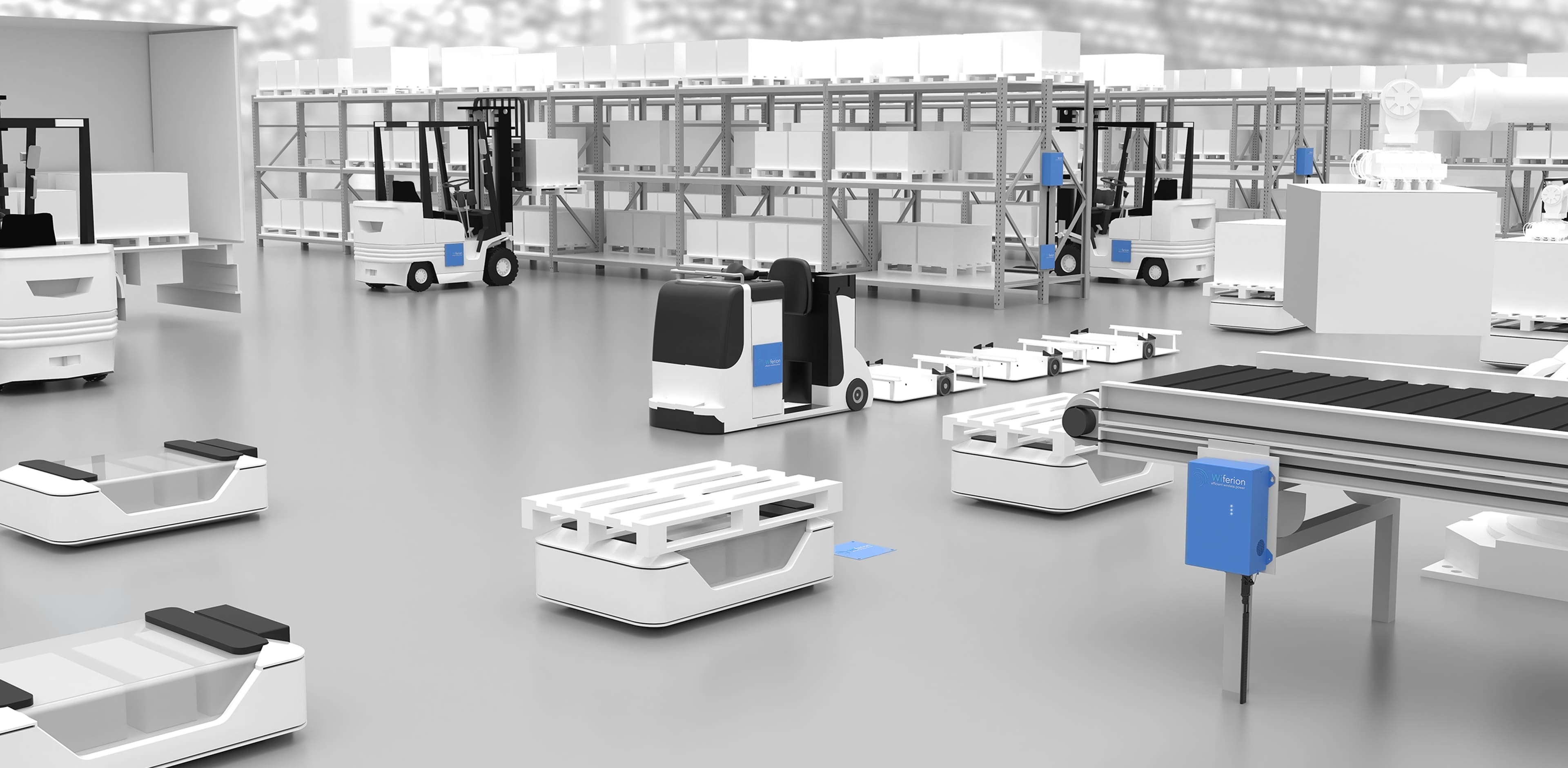
“The consultant is more than an external adviser. He is practically part of the company. That showed us additiv is exactly the right match for us.” Julian Seume, Director Wiferion, a PULS brand
FAQ: working with a PR agency for the chemical industry in Germany
What is a chemical PR agency in Germany?
A chemical PR agency in Germany handles communication for companies in specialty chemicals, adhesives, coatings, materials and process engineering. It knows the regulatory frame of REACH and CLP that these companies work within. Its editors work with German chemical newsrooms such as CHEManager and CITplus (a magazine for process and chemical engineers). It also knows which evidence an editor wants to see before printing an application story. Chemical companies from abroad use it to reach German application engineers and buyers in their own language. Its work now also covers what ChatGPT or Claude say about your products.
What does a PR agency for the chemical and process industry do?
It takes a chemical company’s topics to the places where investment and specification decisions are prepared. Day to day, that is press relations with German trade media for chemistry and process engineering. Content on regulation and sustainability belongs to the job as well. Trade fair communication around ACHEMA and analytica is another part. Sales enabling content supports sales and application engineering. The agency also makes your own content easy for AI assistants to cite. additiv bundles these parts in a single retainer.
How is additiv different from a generalist PR agency?
additiv has focused on B2B industrial communication alone for almost 30 years. We have run chemical and materials mandates for many years. We know what sets chemical companies apart: regulatory requirements, plant safety and site issues, sensitive stakeholders and long value chains. Our editors understand why a change in formulation can be news. Press work, content, social media and SEO run on a shared plan with sales enabling content and AI visibility. Readers of a trade article and users of an AI assistant then meet the same brand.
Which chemical and process companies is additiv the right agency for?
We are a good fit for companies that
- sell formulations or components that need explaining,
- work in specialty chemicals, adhesives and sealants, coatings, materials, lab and analytical solutions or chemical distribution,
- want their marketing to work hand in hand with sales and regulatory affairs,
- are ready to develop content with us and to speak openly.
Machine builders and component makers are better served by our page for industrial PR in Germany. We are not the right partner for a single advert or an event without press work.
Which German trade media cover the chemical and process industry?
The German chemical press is specialised and technically deep. Titles you should know:
- CHEManager, a German trade newspaper for the chemical and pharmaceutical industry
- PROCESS, a German trade magazine for process engineering
- CITplus, a German magazine for process and chemical engineers
- Nachrichten aus der Chemie, the member magazine of the German Chemical Society (GDCh)
Depending on your products, specialist titles for adhesives and coatings or for materials science complete the list. Your applications and the people who specify your products decide which titles go on the media list. Chemistry editors in Germany check claims and terminology closely. Their articles appear mostly in German.
How do you place bylined articles in German chemical trade media?
The editor signs off topic and angle before our team writes a line. The chemical press prints concrete cases. Examples are a switch to solvent-free systems, a reformulation driven by REACH, a process safety concept or a result from a customer plant. Your application engineers brief us in English. The German text then uses the vocabulary that German chemists expect. Your regulatory affairs team can check the text before you approve it. More on our page for trade press relations.
Should we choose a German specialist or a pan-European agency?
If Germany is your priority, a specialist gets you into the chemical trade press faster. Editors at CHEManager or CITplus want a contact who understands both chemistry and their publication. Our own team covers the DACH region and works with you in English. In France, the UK, the Nordics or Benelux, Thenetworkone partners or your local teams take over. Thenetworkone connects independent agencies internationally. We define your core messages once and every language version builds on them. Large networks win on country count. When it comes to German chemical editors, they often have fewer direct contacts.
Can you support a chemical company from outside the German-speaking markets?
Yes. We often start from material that already exists in English, such as press releases and case studies. Our editors rewrite it for German readers. A reference only helps in Germany if German buyers can read it. Companies preparing their German launch will find our approach on our page for market entry in Germany.
How do you localise technical and regulatory content for Germany?
Localisation in the chemical industry starts with regulatory terminology. Hazard statements and REACH or CLP terms must match the official German wording. Product names must match as well. Before anything is published, we check the terminology against your approved German documents. Units and standards follow German conventions. For other EU languages we coordinate with partners from Thenetworkone and with your regulatory team. Safety data sheets and technical data sheets stay with your regulatory department.
Which trade fairs matter for chemical companies in Germany?
ACHEMA in Frankfurt is the leading trade fair for the process industries. It takes place every three years. analytica in Munich brings together laboratory technology and analysis. Hannover Messe in Hanover adds reach in general industry. Editors fix their trade fair issues weeks before the doors open. Preview articles and product news need to reach them early. During the fair we bring editors to your stand for talks with your experts. After the fair, stories and LinkedIn posts keep the conversations going. More on our page for trade fair PR.
What should a brief for a chemical PR agency include?
A good brief describes your products and the people who buy or specify them. Name your target markets as well. It states what you expect after six and after twelve months. Your budget frame belongs in it too. So does your approval process with its regulatory review. Add the trade fairs you plan and the material that already exists. When you compare agencies, ask each one for references from the chemical industry and for a sample text in German. A short call often answers more than a long RFP template.
How does working with additiv start?
- Initial call: we talk about what you want to achieve in Germany and the budget behind it.
- Workshop and agency pitch: your experts show us the portfolio and its applications. We review how you communicate today.
- Proposal and team set-up: the proposal sets out services and timings. You also meet the team that will work for you.
- The first 100 days: we learn your formulations and draft buyer personas with you. Topic planning and first pitches to German chemical editors lead to the first publications.
More details: Your partnership with additiv.
What results can we expect, and when?
Around three months after the start, the first articles appear in the trade press. It usually takes 6 to 12 months before the work produces measurable leads. The exact curve depends on your starting point and budget. Our adhesives mandate shows the potential: one topic campaign alone led to more than 140 publications. Your monthly report covers clippings, reach, rankings, AI citations and brand mentions. Those figures go straight into reporting for your headquarters.
What does a chemical PR agency in Germany cost?
For chemical companies, a sensible PR retainer starts at EUR 3,000 to 5,000 per month. That budget pays for ongoing press relations. ACHEMA campaigns and product launches are budgeted as separate projects. Whether your budget fits your goals is something we discuss openly in the first call.
What is included in a retainer, and is there a minimum term?
Typical retainer content is press releases and application stories. Bylined articles by your experts can be added. Topic and campaign planning, LinkedIn content, AI visibility and SEO support may be part of it too. Jour fixes and reporting are included. The exact mix is agreed with you. The minimum term for an ongoing retainer is usually 12 months. Notice periods are fair. A white paper or an ACHEMA campaign can also be booked as a project with separate terms.
Do you support crisis communication for chemical companies?
Yes. Most of our mandates are about long-term communication. In a crisis or issue we step in as well. Typical cases are an incident at a plant or a product recall. Preparation includes a crisis manual, scenarios, holding statements and a Q&A. We train spokespeople and coordinate with internal and external stakeholders. If an incident happens, we support you operationally. The time to build this is before anything goes wrong. More on our page for crisis communication.
Do you communicate regulatory topics such as REACH, CLP or PFAS?
Yes, as part of product and customer communication. Regulation changes what your customers can buy and how they use it. We explain these changes in articles and FAQ pages for your customers. A new CLP label or a substitution ahead of PFAS restrictions are typical cases. Every statement is cleared by your regulatory team. Lobbying and political outreach are not part of our work. Where needed, we coordinate with your public affairs team or your industry association.
How do you make sure AI systems find our brand?
Application engineers now ask ChatGPT, Claude, Google AI or Microsoft Copilot which adhesive or coating suits their process. Suppliers absent from those answers drop out before anyone sends an enquiry. The work begins with an AI visibility audit. The audit reveals which application questions bring up your brand and how the answers describe your products. Next, we give your product pages and articles clear answers and verifiable figures that a model can quote. Coverage in titles such as CHEManager adds weight in the sources these systems trust. Regular monitoring shows how your visibility develops. More on our page for GEO and AI visibility.
How do you make content work for people and for AI?
We make sure our content
- is structured with headings and short paragraphs,
- gives the answer at the start,
- contains exact statements on performance that AI assistants can quote,
- speaks to the questions of application engineers and buyers.
Approvals and test results remain part of every text. People and AI systems both rely on them.
Has additiv won awards for its work?
Yes. At the Deutscher PR-Preis 2026 (German PR Award), our Sereact campaign took Bronze in the category Technology and Innovation Communication. Embodied AI, a project with Sereact, made the shortlist of the PR Report Awards 2025. More than 400 entries competed. Our own yardstick is what the work does for your sales and your brand.
Do you offer LinkedIn and paid social for chemical companies?
Yes. Around 60 % of our clients also book social media with us. Our focus is LinkedIn. Posts go out on your company page and on the profiles of your experts and managers. We also handle community management and run corporate influencer workshops. Paid campaigns use sponsored content and lead gen forms. For trade fairs we add Instagram if your audience is there. More on our page for B2B social media.
What does a social media agency for the chemical industry do?
On LinkedIn, it explains specialty chemicals and processes to application engineers and buyers. It develops the strategy and the editorial plan. Posts for the company page and for your experts come from its editors. Every post is aligned with regulatory requirements. Approval by the specialist department and regulatory affairs is built into the schedule. The agency also runs campaigns and reports monthly. At additiv, social media and trade press relations sit with the same team. Trade fair communication for ACHEMA does too.
How do compliance and approvals work for social media in the chemical industry?
Social media in the chemical industry needs a fixed approval loop before the first post appears. Statements on safety and environmental impact must match the safety data sheet and the REACH registration. Company and agency therefore agree in advance who checks which content and how quickly. Social media guidelines set out what employees post. For incidents, an emergency plan with prepared statements is ready. additiv builds these loops into the editorial plan and uses the approval processes that already exist for press work.
How do chemical companies win customers on LinkedIn?
Chemical companies win customers on LinkedIn when expert content and targeted campaigns work together. White papers and application examples give buyers a reason to get in touch. LinkedIn campaigns reach application engineers and buyers by industry and company size. Contacts from your ACHEMA stand become the audience for follow-up posts and campaigns. A conversation at the fair turns into a concrete enquiry. additiv plans content and campaigns together. Each month you see which topics brought in enquiries.
Do you also produce content such as white papers and application stories?
Yes. Much of our daily work is content marketing. Our content covers the path from a buyer’s first search to the order. Application stories and white papers prove your expertise. Expert articles by your chemists add to it. More on our page for content marketing.
Which clients in chemicals and materials has additiv worked for?
Our projects span the industrial value chain, from logistics and mechanical engineering to chemicals and materials. Clients from current and former mandates include:
- Specialty chemicals and adhesives: Henkel Adhesive Technologies, Bodo Möller Chemie
- Materials and metallurgy: Deloro, Taniobis
- Industrial components: Voss Fluid, Misumi, EMKA
In a personal conversation we present the references that fit your question.
More case studies from industrial PR?
Enough reading? Write to us or give us a call. We are here for you!