We create stories. And the industry talks about them.
For almost 30 years we have placed B2B technology companies in the German trade press. We plan coverage as a campaign and write texts that editors want to publish.
Our approach
German industry still reads its trade press. Engineers and buyers follow titles such as DVZ, a German logistics newspaper, or MM MaschinenMarkt, a German magazine for mechanical engineering. We know when and where your topic fits, because we have worked with these editorial teams for many years. Your technology is complex? That is where we feel at home. We work out what your product changes for the customer and turn it into stories that editors accept. For international companies we are the link to the German-speaking market. You brief us in English. We place your topics in German.

Strategic consulting: We position your company so that it stands out in a crowded market. Our planning runs months ahead, because German trade journals fix their editorial calendars long in advance. Your topics reach journalists and podcasters at the moment their plans have room for them. We define goals with you at the start and measure our work against them.

Editorial work: Our technical editors know logistics, robotics, mechanical engineering, chemicals and IT from years of client work. They extract the customer benefit from complex technology and write in the style of the trade press. Every text is researched with your engineers. Nothing goes out without your approval.
Monitoring: We track every publication and report against the KPIs we agreed with you. You see how a campaign is received by the media and how often editors ask for your input. We also show your share of coverage compared with your competitors.
Our services at a glance
- Strategic consulting
- Topic and campaign planning
- Editorial work
- Media relations: editorial contacts and press interviews
- Monitoring and analysis
- International press relations
Our content formats

- Press releases
- Customer case studies and success stories
- Bylined technical articles
- Interviews
- Guest articles and commentaries
Frequently asked questions about PR and trade press relations
What does press relations for B2B industrial companies include?
Press relations for B2B industrial companies includes press releases, bylined technical articles, customer case studies, interviews and guest commentaries, plus trade fair press work and exclusive placements. The format follows the goal. A product launch needs a press release, a technical topic needs a bylined article, a customer project needs a case study and a trade fair needs interview slots booked weeks ahead. Impact builds up when these formats follow each other over a year. additiv plans them as one campaign with a shared annual topic plan.
How does the German trade press work?
The German trade press is a dense network of specialist titles, with several journals for almost every industrial sector. Editors plan their issues months ahead and usually publish their editorial calendars for the coming year in autumn. Most titles appear in print and online and are read by engineers and buyers alike. Editorial coverage is kept strictly apart from paid content. A company that wants coverage needs a relevant topic at the right moment. additiv has worked with these editorial teams for almost 30 years.
Press release, bylined article or case study: which format when?
A press release fits hard news, a bylined technical article fits a technical explanation, a customer case study fits proof of benefit and an interview or guest commentary fits a person who should be seen as an expert. A press release goes to many editors at once. A bylined technical article appears exclusively in one title. That builds expert status. A customer case study shows the benefit at a named customer, which carries particular weight with industrial buyers. additiv chooses the format by the goal, not by the occasion.
What makes a German trade editor accept a topic?
A trade editor accepts a topic when four conditions are met: it fits the editorial calendar, it offers a clear benefit for readers, it adds something new to what has already been published and it arrives early enough. German trade journals plan their issues months in advance. Knowing the responsible editor and the planning status gets a topic where it belongs. additiv works with trade editors in logistics, robotics, mechanical engineering, industry and chemicals and pitches each topic to the title that fits it.
How is a topic plan for the trade press built?
A topic plan for the trade press brings a company’s goals together with the editorial calendars of the relevant titles. Trade fair dates are added as fixed points. Most titles publish their focus topics for the coming year in autumn. If you know by then which of your topics will be ready and when, you can prepare placements early and meet every deadline with time to spare. additiv sets up the plan once a year and updates it in weekly meetings with your team.
Which KPIs show that trade press relations work?
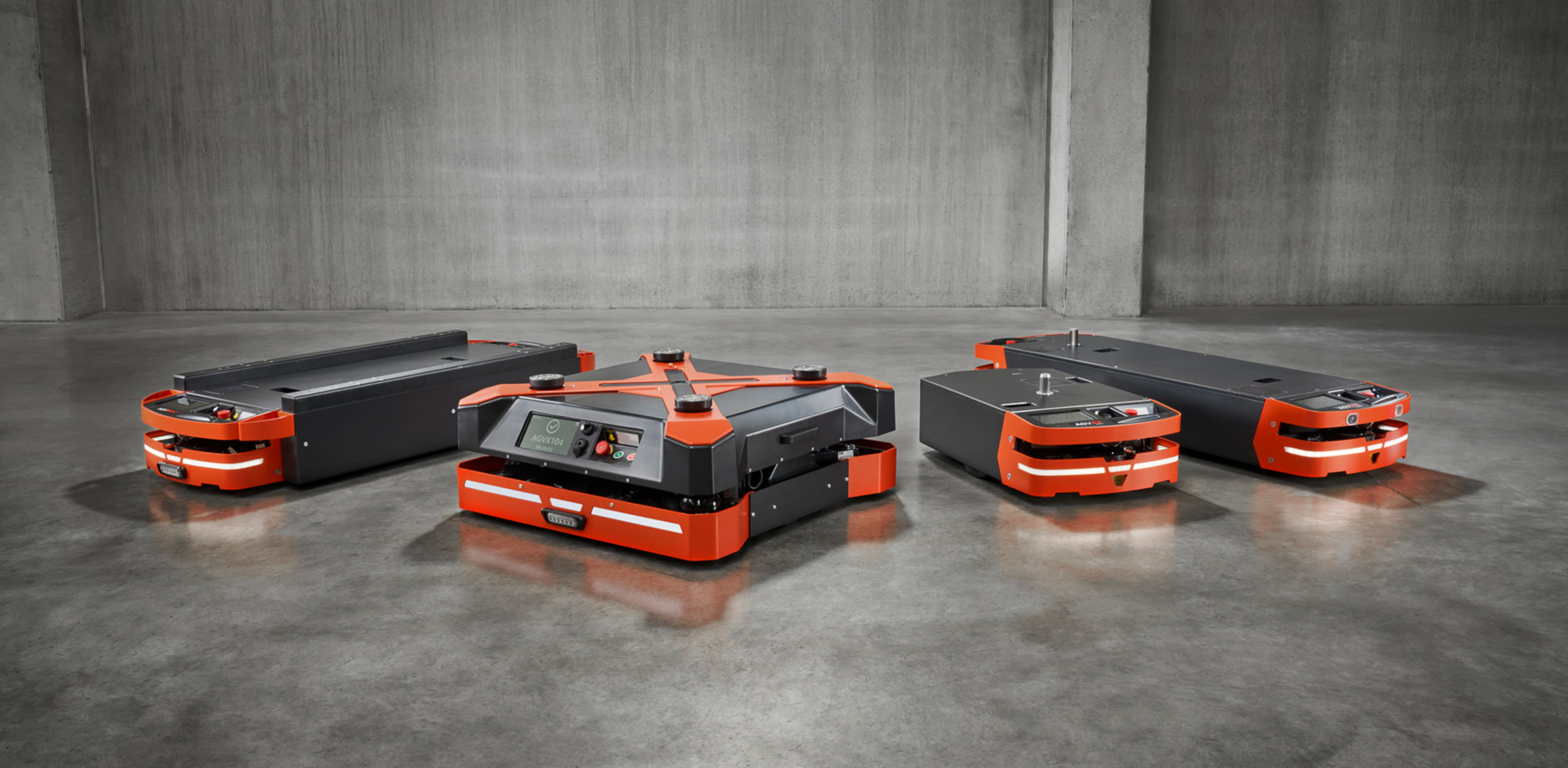
Four KPIs show whether trade press relations work: the number of publications, the quality of the titles, the company’s share of coverage compared with competitors and the number of requests that come from editors themselves. The last one is a particularly reliable indicator, because a company that editors call regularly is treated as a source in its industry. additiv agrees these KPIs at the start of every engagement and measures them throughout. For Safelog, a manufacturer of mobile robots for intralogistics, additiv counts more than 676 press clippings over three reporting periods.
How long does it take for press relations to show results?
First publications usually appear within the first three months. Reliable visibility takes longer, because trade journals plan ahead and recognition grows through repetition. additiv therefore works only in long-term engagements. Every collaboration starts with a 100-day onboarding that covers situation analysis, buyer personas, competitor analysis, product training and topic planning. The first review against the agreed KPIs follows. Wiferion built its press work from zero with additiv and reached 256 publications in 2025.
What is different about trade fair press work?
Trade fair press work differs from ongoing press relations in lead time and in the competition for attention. At LogiMAT in Stuttgart, the trade fair for intralogistics, or at Hannover Messe, the industrial trade fair in Hanover, hundreds of exhibitors compete for the same editors. Two things decide success: interview slots requested weeks ahead and a topic with real news value. Press material should be with the editors before the show opens. additiv starts trade fair planning several months ahead of the date.
How are trade press relations linked to visibility in AI search?
Trade press relations and visibility in AI search are directly linked. AI systems such as ChatGPT and Claude answer questions from sources they find online. In industry, trade media carry particular weight among those sources. Every article in a respected German title therefore does two jobs. It reaches decision-makers and becomes a data point for AI models. additiv tracks this visibility in its ongoing monitoring. Read more on our page about generative engine optimisation (GEO) and AI visibility.
Can an international company work with a German PR agency in English?
International companies can work with additiv in English, from the first briefing to the final report. The texts for the German trade press are written in German. German editors expect native copy and rarely translate submissions themselves. additiv adapts your messages to the German market, with the technical terms and standards that German engineers recognise. Approvals can run in both languages. From its base in Montabaur, additiv gives you access to the German market without a local communications team.
Do you also handle press relations outside Germany?
additiv handles press relations outside the German-speaking markets through Thenetworkone, an international agency network with partners on the ground. Within the German-speaking markets additiv works directly. Cross-border press relations depend on the media market, since every country has its own key titles and its own topic cycles. A German case study works differently in the United States than in France. additiv’s partners in Thenetworkone know these differences and adapt the story before it is pitched.
Who needs to be involved on our side?
Good press relations need a fixed contact in marketing and at least one subject-matter expert from engineering or product management. A clearly named approver completes the setup. Without the expert, texts stay on the surface. Without the approver, topics miss their moment. The effort on the company side is usually a few hours per month. additiv provides a fixed team in return, led by an account director and staffed with technical editors who stay with the account.
How do you choose a PR agency for industrial topics?
Four criteria matter when choosing a PR agency for industrial topics: proven experience in your sector, editors with technical understanding, established contacts with the relevant trade media and a working model built for the long term. References from your own industry are the quickest test. additiv works only in long-term engagements. additiv won Bronze at the Deutscher PR-Preis 2026 (German PR Award) in the category Technology and Innovation Communication, for a campaign with the AI robotics start-up Sereact.
What happens with critical topics or corrections?
Critical topics and corrections go smoothly when spokespeople and approval paths are agreed before anything happens. If you know in an emergency who speaks and who approves, you win the hours that matter. Agreed statements should be ready before anyone needs them. Factual errors in a published article can almost always be corrected when the relationship with the editorial team is solid. additiv prepares spokespeople and approval paths with its clients in advance, so that a critical day starts with a plan.
Your contacts
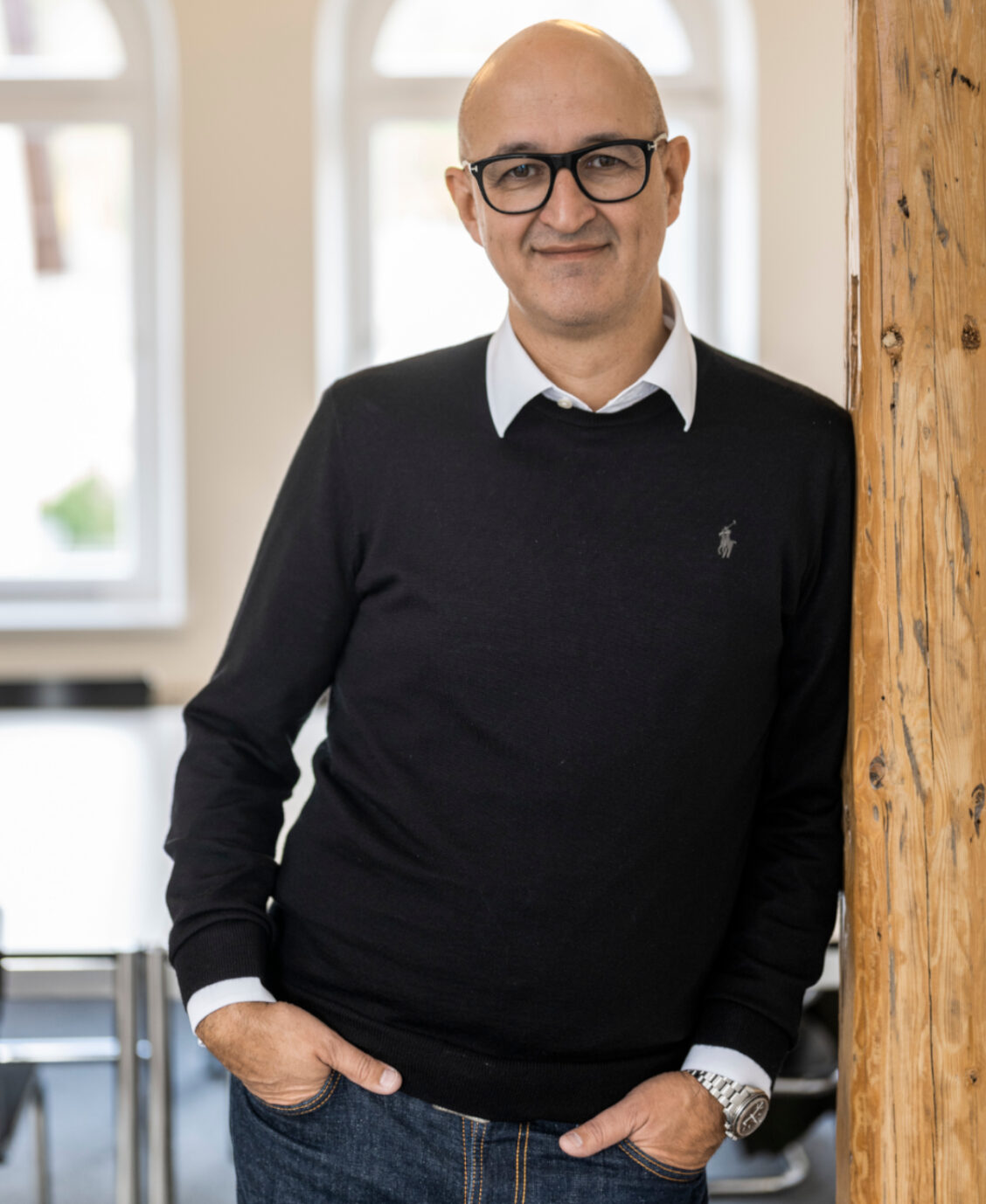
Jochem Blasius
Managing Partner
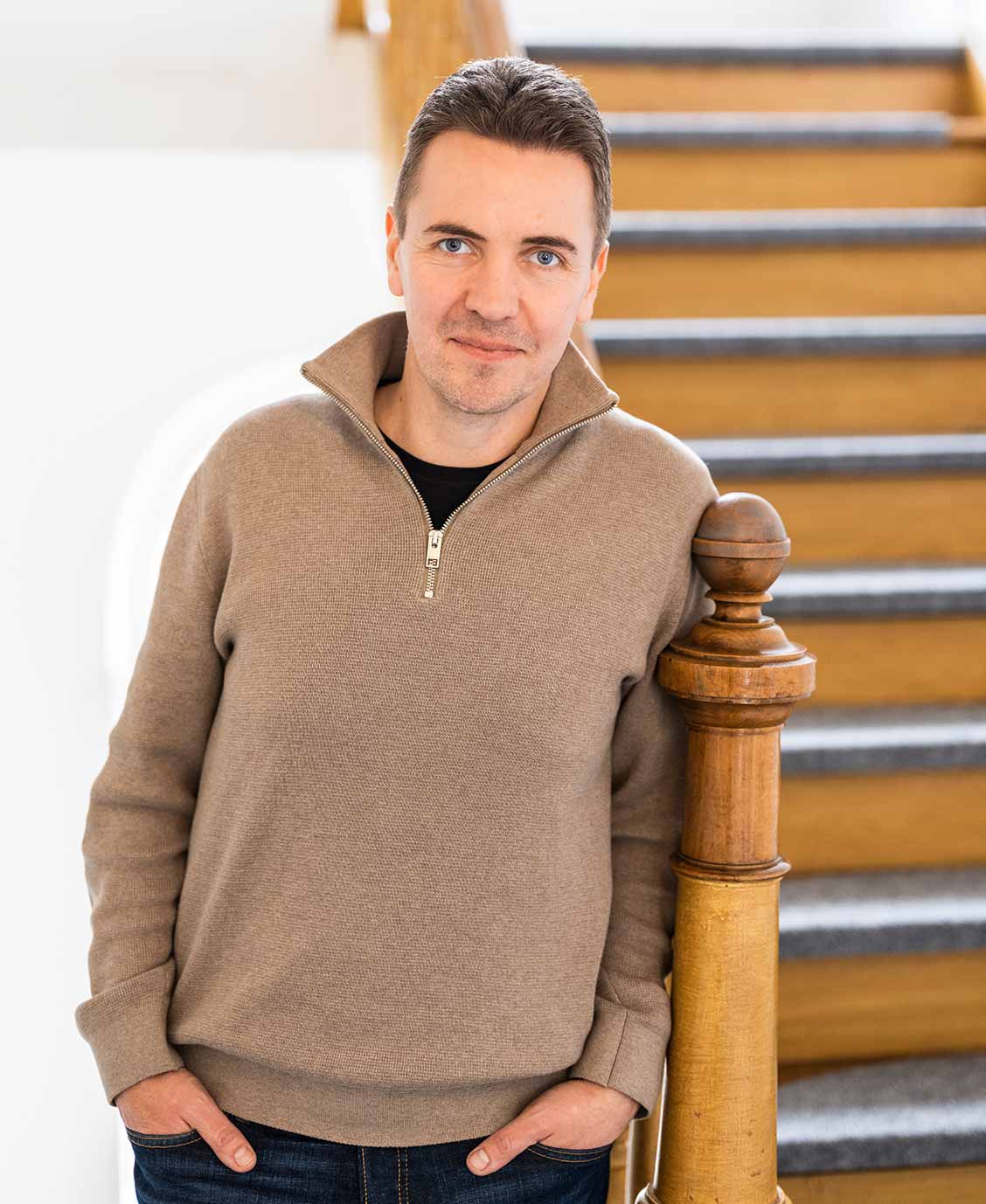
Marius Schenkelberg
Director of Operations / Prokurist