Your topic in the German business press. Placed with precision.
Business press relations puts your company in front of decision-makers and investors. Coverage in the FAZ, a German national daily, or in Handelsblatt, a German business daily, carries your visibility far beyond your industry. WirtschaftsWoche, a German business weekly, has the same effect. We position you as a relevant voice in the German economy.
Our approach
For business journalists only one currency counts: relevance. Standard press releases are deleted unread. Plain company or product presentations have no chance either. We deliver stories that fit the profile of the target publication exactly and pitch them personally. We call this editorial marketing.

Strategy workshop: We look for real news. Why should journalists report on your company? We analyse which technological or economic shifts your company can contribute to. Sometimes that means taking a position against the mainstream. That is how stories emerge that work.

Pitch: We always pitch your topic personally, by phone. Every call is prepared, because a pitch has to work the first time. Each story is tailored to the journalist we approach.

Staying on the ball: Editorial marketing means placing your topics continuously, with an open eye for what moves the economy. Our newsroom screens the leading media every day and identifies trends and focus topics. Then we pick up the phone. Step by step your company becomes a relevant voice in its context.
Latest Results
Frequently asked questions about business press relations
What is business press relations?
Business press relations brings company topics into national business and general-interest media such as Handelsblatt, the FAZ, WirtschaftsWoche or Die Zeit, a German weekly newspaper. Its audience sits outside the specialist community: decision-makers, investors, applicants and policymakers. The yardstick distinguishes it from trade press relations. A business editor asks what a machine says about a market and leaves its workings to the trade press. additiv has worked in this field for almost 30 years. The 38 placements documented on this page include seven articles in Handelsblatt and six in the FAZ.
What does a B2B PR agency do for business media?
A B2B PR agency translates an industrial topic into a story that interests a business editor and places it there. That includes finding the story angle, choosing the right editorial team, pitching personally and supporting the process until publication. When choosing an agency, documented placements and precise industry knowledge count. Another check is often quicker: whether the target editors already know the agency’s name. additiv won Bronze at the Deutscher PR-Preis 2026 (German PR Award) in the category Technology and Innovation Communication.
Business media or trade press: which one when?
The target group decides which channel fits. A new process or a customer case study reaches the buyers in an industry and belongs in the trade press. A market shift, a financing round, a succession question or a contribution on Industry 4.0 or ESG works in Handelsblatt, WirtschaftsWoche or the FAZ, because investors and future employees read there. At additiv both channels run in parallel. Trade press relations is described on our page about PR and press relations. On this page additiv documents 38 placements in the business press.
How does an industrial topic get into the business press?
An industrial topic gets into the business press through a thesis rather than a news item. Business editors report on companies when those companies explain something about a market that would otherwise stay invisible. The starting point is therefore a trend to which a company has something real to contribute. From that comes a story without product names, offered to the editorial team that covers the topic. Product presentations fail reliably in this field. additiv calls this approach editorial marketing and develops it in the strategy workshop at the start of every engagement.
Where do the topics come from?
Topics for the business press come from matching a company’s knowledge with what business editors are currently writing about. additiv starts every engagement with a strategy workshop for exactly this purpose. On one side lie the technological and economic shifts in an industry, on the other the knowledge inside the company. A topic that only concerns your own product does not pass. Your own data is particularly valuable raw material, because it gives editors something they cannot get anywhere else. The additiv newsroom screens the leading media every day.
Which occasions carry a placement?
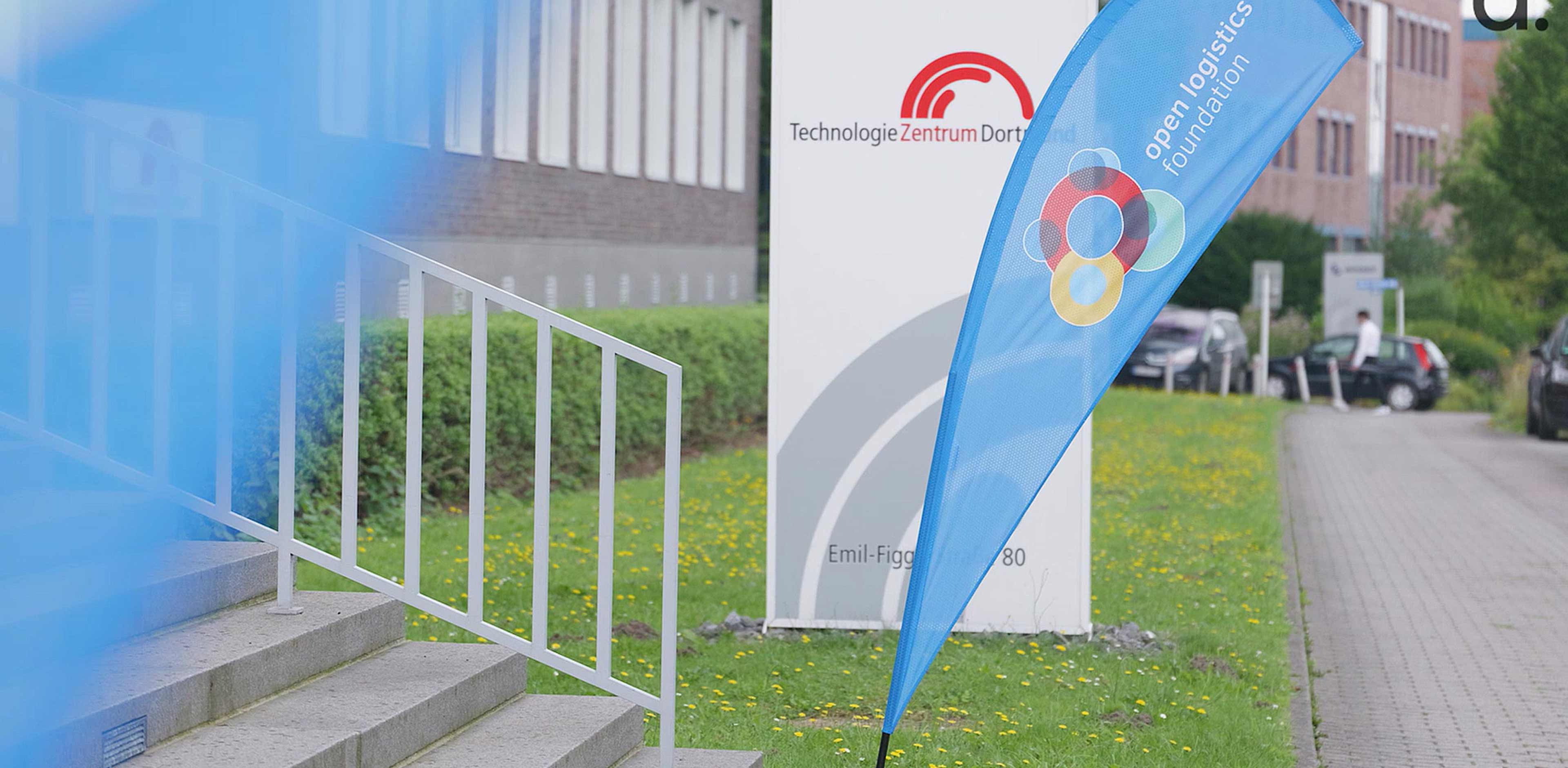
Four occasions reliably carry a placement in the business press: your own figures, a study, a financing round or a change at the top. Trade fairs only count if the topic would stand without the fair. Companies with few occasions of their own offer an expert view on events the editors cover anyway. Whether a story goes exclusively to one publication or is offered widely depends on the topic. additiv clarifies this before every pitch. The placements on this page include one for the Open Logistics Foundation in Der Tagesspiegel, a Berlin daily.
What lead times does the business press have?
In the business press, comments on current events run within hours, while planned stories need two to six weeks. Cover stories and larger investigations take several months. Business editors work without a fixed editorial calendar, guided by their sections and daily news. Approaching an editor only with a fixed date comes too late for a planned feature. An embargo allows several publications to work on a topic at the same time. additiv plans on a rolling basis over the year. Its newsroom reports short-term windows from the daily media screening.
How is a guest article placed in business media?
A guest article is offered to business media before it is written. The thesis and the choice of publication come before the writing. Business editors accept contributions when the author takes a position that is debated in the market and can stand behind it personally. A text that promotes the author’s own company is rejected. additiv writes these articles in the name of the author and agrees the thesis with the editorial team before writing begins.
How does a managing director get an interview?
A managing director gets an interview with a topic that moves an ongoing debate forward. Business journalists talk to people who have something new to say about a subject. Besides the classic interview, an expert comment on a current business topic works well. A longer relationship often begins with a background conversation that is not for quotation. Which format fits depends on how firmly the position is already established in the market. additiv prepares spokespeople for the likely questions and supplies the figures that carry the conversation.
How do you find the right business journalists?
You find the right business journalists by reading what an editorial team has recently published. If you need the right contact for a mechanical engineering topic, you check who has written about that market and with what stance. Regional business media at your location and the news agencies complete the list. This research takes time and separates a real contact from a mere address. additiv maintains it continuously, and the 38 placements on this page range from Handelsblatt and the FAZ to Der Tagesspiegel.
Why does additiv pitch by phone?
additiv pitches by phone because a business editorial desk receives hundreds of emails every day and only a few calls. A call forces brevity and brings an immediate answer. Even a rejection helps, because it shows how to shape the next offer. A no on the phone often turns into an appointment for a later topic. Preparation is the condition: anyone who calls without knowing the editor’s recent articles burns the contact. additiv pitches every story personally and tailors it to the journalist it approaches.
Does a company’s own study work for the business press?
A company’s own study works for the business press when it answers an open question in the market and its method is transparent. A survey limited to your own customers rarely convinces an editor. A study becomes credible through a sufficiently large sample and a properly documented survey. If in doubt, a research institute or university joins as a partner. The data also has to become a story that an editor can tell. additiv builds these data stories and offers them to editors either exclusively or widely.
How do you measure business press relations?
Business press relations is measured by four values: the number and quality of placements in defined target media, reach, the tone of the coverage and your share of coverage on your topic compared with competitors. The number of press releases sent says nothing about this. A single article in a target publication can weigh more than a series of mentions elsewhere. Advertising value equivalents are considered outdated, because they treat an editorial mention like a paid one. additiv defines the target media in the strategy workshop and measures against exactly that list.
Can a foreign company get coverage in the German business press?
A foreign company can get coverage in the German business press when its story has a German angle, such as a plant, jobs, German customers or a market development in Germany. German business editors write for German readers and judge a topic by its relevance to them. An English press release sent from abroad rarely gets picked up. additiv develops the German angle and pitches in German. It also prepares spokespeople for the conversation. Whether an interview can take place in English is agreed with the editorial team in advance.
Your contacts

Jochem Blasius
Managing Partner

Maximilian Schütz
Senior Account Manager